Optimizing TMS Outcomes
Consultation and Customization:
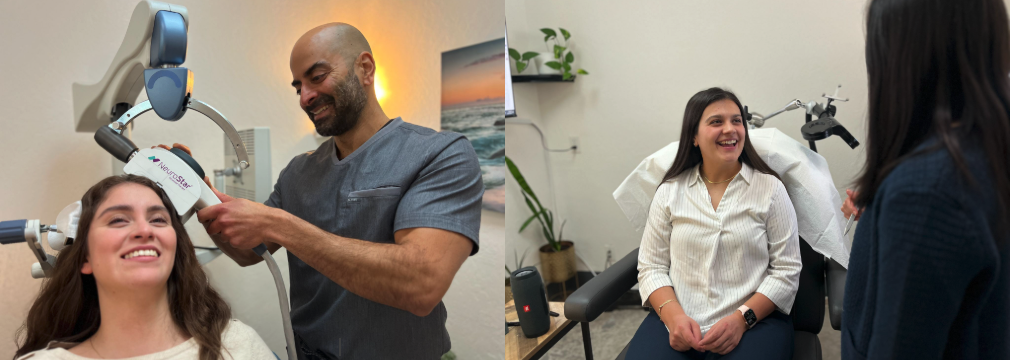
Before starting Transcranial Magnetic Stimulation (TMS) therapy, talk with a qualified medical professional to create a personalized plan. Don’t stop, skip, or start medications without guidance, as this can affect treatment outcomes. Each person’s TMS journey is unique, so close collaboration with your doctor is key.
Do’s: Supportive Lifestyle Habits
Although TMS therapy directly stimulates the brain, daily behaviors can also influence how well your brain responds to TMS therapy. Developing healthy routines and a positive mindset can help reinforce the brain changes that occur during treatment. Consider incorporating the following habits:
Gratitude Practices: Taking a few moments each day to reflect on things you appreciate can help shift attention toward positive experiences. Writing down a few things you’re thankful for or mentally acknowledging small wins throughout the day can help cultivate a more positive outlook.
Staying Active: Whether it’s structured exercise or simple activities like walking, regular movement can support mental and physical health. Physical activity helps boost mood, increase energy, and promote overall brain wellness, which may complement the effects of TMS therapy.
Prioritizing Self-Care: Making time for self-care is an important part of supporting your mental health during treatment. This may include getting adequate rest, engaging in relaxing hobbies, setting healthy boundaries, and allowing yourself time to recharge.
Eating Nutritious Foods: Maintaining a well-balanced diet can provide the nutrients your brain needs to function effectively. Foods rich in vitamins, minerals, healthy fats, and antioxidants can contribute to overall wellness.
Quality Sleep: Prioritizing restorative sleep is essential for both brain function and emotional well-being. Establish a consistent sleep schedule, create a relaxing bedtime routine, and ensure your sleep environment is comfortable and free from distractions. Good sleep supports the brain’s ability to process treatment effects and enhances overall mental health.
Positive Mindset and Visualization: Practicing positive thinking and visualizing progress can help reinforce motivation during treatment. Focusing on encouraging thoughts and imagining positive outcomes may support emotional resilience and overall recovery.
Do Not’s: Behaviors That May Undermine Progress
While the “Do’s” focus on positive habits to support your brain and mood, it’s equally important to be aware of behaviors that may interfere with treatment outcomes. Avoiding these can help maximize the effectiveness of TMS therapy:
Substance Use: Alcohol, recreational drugs, or misuse of prescription medications can disrupt brain chemistry and reduce TMS effectiveness. Substances may also interfere with sleep, energy levels, and mood stability, limiting the positive neuroplastic changes TMS promotes
Negative Thinking Patterns: Persistent rumination or pessimism can reduce motivation and brain plasticity. Engaging in these mental habits may counteract the positive mindset and visualization practices recommended in the Do’s section, slowing progress.
Neglecting Self-Care: Skipping meals, irregular sleep, overworking, or avoiding downtime can prevent your brain from fully responding to treatment.
Abrupt Changes in Medication: Stopping, skipping, or starting psychiatric medications without professional guidance can alter treatment outcomes. Changes should always be coordinated with your doctor.
Stay connected and engage in therapy
Combining TMS with psychotherapy produces superior outcomes for depression compared to TMS alone. While TMS alone effectively treats the biological aspects of depression, adding therapy addresses cognitive/emotional factors, creating faster recovery, better symptom management, and improved long-term durability. Staying connected with supportive friends, family, or peer groups alongside therapy can reduce feelings of isolation, keep you motivated, and help you track your progress toward real, measurable goals.
If you suffer from depression and want to learn more about how TMS therapy can help you, contact San Jose Integrative Wellness Center. We’ll help design a treatment plan that gets you to a better place. Call us at (408) 357-0105 or reach out via the form below to learn more.
References
Benedetti, F., Colombo, C., Smeraldi, E., & Dallaspezia, S. (2023). Sleep and neuroplasticity in depression treatment: Implications for TMS. Journal of Affective Disorders, 345, 23–34. https://doi.org/10.1016/j.jad.2023.01.012
Froh, J. J., Bono, G., & Emmons, R. A. (2023). Gratitude interventions for depression and well-being: A meta-analytic review. Frontiers in Psychology, 14, 601. https://doi.org/10.3389/fpsyg.2023.601
Opie, R. S., O’Neil, A., Itsiopoulos, C., & Jacka, F. N. (2023). Nutritional psychiatry: The impact of diet on mental health. Nutrients, 15(4), 801. https://doi.org/10.3390/nu15040801
Pena, J., & Andrade, M. (2025). Visualization and positive cognition in mental health: Mechanisms and applications. Psychology Review, 32(1), 45–60.
Rebar, A. L., Stanton, R., Geard, D., Short, C., Duncan, M. J., & Vandelanotte, C. (2023). A meta-analysis of the effect of physical activity on depression and anxiety in adults. BMJ, 384, 075847. https://doi.org/10.1136/bmj-2023-075847
Smith, L., Jacob, L., & Firth, J. (2023). Self-care and mental health: The role of routine habits during treatment interventions. Frontiers in Psychiatry, 14, 1102. https://doi.org/10.3389/fpsyt.2023.1102